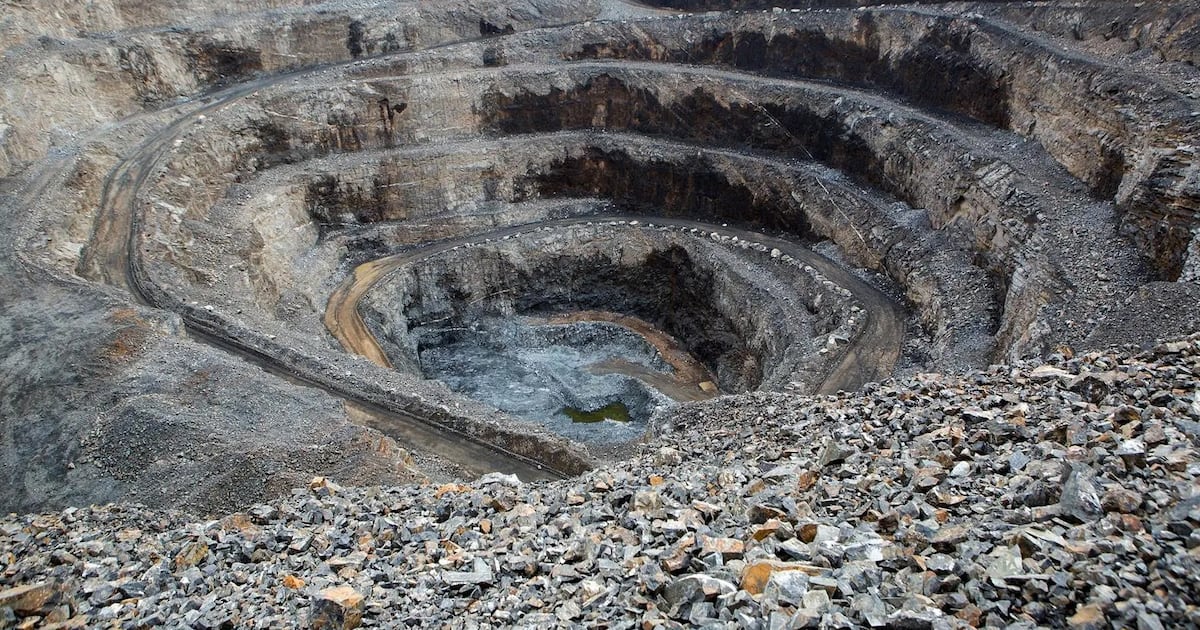
Saudi Arabia is placing the Arabian Shield at the centre of its effort to build mining into a major economic pillar beyond oil. Authorities estimate that the kingdom holds about $2.5 trillion in mineral resources, giving the sector the potential to support domestic manufacturing, renewable energy infrastructure and new export industries.
A vast geological base
The Arabian Shield stretches across western Saudi Arabia and is composed mainly of igneous and metamorphic rocks formed between roughly 880 million and 550 million years ago. Government-backed geological mapping has identified more than 5,300 mineral occurrences across the area, including gold, silver, copper, zinc, lead, nickel, tantalum, niobium and rare earth elements.
The resource base extends beyond the shield itself. A northern phosphate basin is estimated to contain about two billion tonnes of ore, while copper has become a particular focus because of its role in renewable power systems, electricity grids and industrial electrification.
Exploration moves into partnership
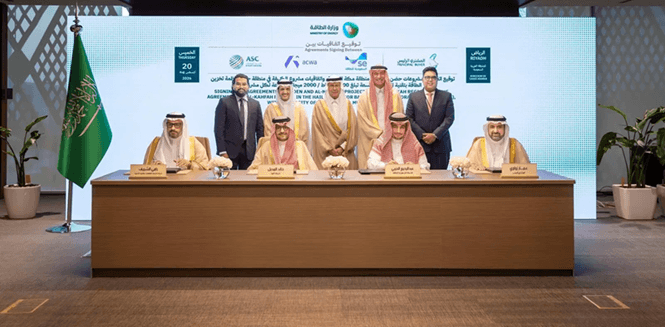
Saudi Aramco and Maaden have formed a joint venture to explore the 182,000-square-kilometre Transition Zone, also known as Zone 4, which runs parallel to the shield. The partnership combines Aramco's subsurface expertise with Maaden's mining capabilities and represents a shift from broad geological potential towards targeted commercial exploration.
Discovering a deposit is only the first stage of the investment cycle. Developers must then establish the grade, scale and economic viability of the resource, secure permits, build supporting infrastructure and arrange financing before production can begin. The time between exploration and cash generation can therefore be long, even when the underlying geology is promising.
Why copper matters
Copper demand is closely linked to global electrification. Solar and wind projects, transmission networks, electric vehicles and data infrastructure all require significant volumes of the metal. Building a domestic copper supply chain could reduce reliance on imported inputs while supporting Saudi industrial projects and creating opportunities in processing and manufacturing.
What it means for investors
The $2.5 trillion estimate signals scale, but it should not be treated as the present value of commercially recoverable reserves. Investment outcomes will depend on extraction costs, commodity prices, ore quality, infrastructure and the ability to develop local technical expertise. Water availability and logistics are particularly important in remote mining areas.
The broader opportunity lies in the ecosystem surrounding the mines. Engineering, drilling, equipment, transport, refining and specialist services may all benefit as exploration advances. A successful strategy could diversify government revenue and strengthen supply chains for the kingdom's energy-transition and manufacturing ambitions.
What to watch
Exploration results from the Transition Zone and updates on commercially viable deposits.
New licensing rounds and the level of private and foreign participation.
Investment in water, power, transport and processing infrastructure.
Progress in converting raw mineral output into higher-value domestic manufacturing.