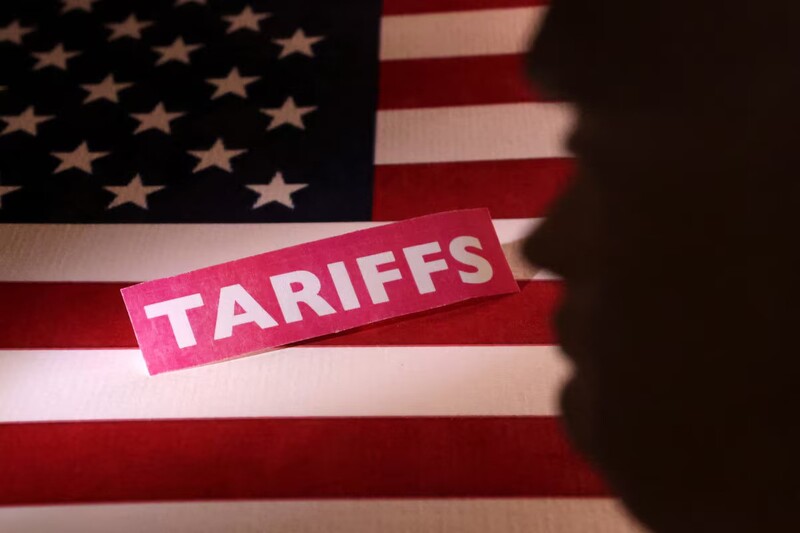
Investing.com -- U.S. President Donald Trump said Saturday he plans to raise a temporary global tariff rate to 15%, up from the 10% level introduced after the Supreme Court struck down parts of his emergency tariff program, escalating trade tensions just a day after markets reacted positively to the legal decision.
The Supreme Court ruled in a 6-3 decision that the International Emergency Economic Powers Act (IEEPA) does not grant the president authority to impose sweeping tariffs, reinforcing Congress’ role over tax and trade policy.
“I, as President of the United States of America, will be, effective immediately, raising the 10% Worldwide Tariff… to the fully allowed, and legally tested, 15% level,” Trump said in a post on Truth Social, adding that many countries had been “ripping” the U.S. off for decades.
The higher tariff would take effect immediately and could remain in place for up to 150 days under existing trade law, though the move may face legal challenges.
Markets initially welcomed Friday’s ruling, with apparel and retail stocks rising as investors anticipated reduced tariff pressure. Analysts said the decision could temporarily cool inflation concerns and reduce trade uncertainty, potentially supporting risk assets.
However, experts have cautioned that optimism may be short-lived. Analysts noted that the White House is already pursuing alternative legal avenues, including Section 122 and Section 301 tariffs, suggesting policy uncertainty could persist despite the court setback.
Some strategists also highlighted unresolved questions around potential tariff refunds, which could total more than $175 billion and have broader implications for fiscal policy and market liquidity.
The announcement underscores how trade tensions remain a central macro risk for investors, even after the Supreme Court curtailed one of the administration’s key legal tools, with markets now watching closely for further policy moves in the coming weeks.
(Reporting by Tanay Dhumal)