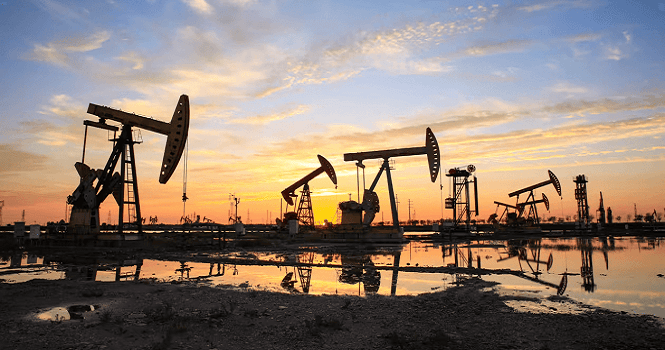
Brent crude steadied near $94.05 a barrel in Friday trade on May 29, even as both major benchmarks were on course for their steepest weekly declines since early April — Brent down roughly 9% and WTI off nearly 8% week-on-week — as markets processed conflicting signals on a potential US-Iran ceasefire and the future of Hormuz shipping lanes.
Background
The Strait of Hormuz, which handled approximately one-fifth of the world's oil and LNG supplies before the conflict escalated, has been operating at a fraction of its prior throughput since restrictions were imposed. Japan reported a 66% year-on-year drop in crude imports in May, one of the starkest illustrations of the disruption reaching consuming nations. US crude, gasoline, and distillate inventories all fell the prior week as domestic refinery demand rose, even as exports retreated to 4.4 million barrels per day.
The catalyst for this week's sell-off was reporting that the US and Iran had agreed in principle to extend a ceasefire and reopen Hormuz to commercial traffic — though as of Friday, President Trump had not signed off and Iranian state media denied any finalized agreement. The gap between rumor and confirmation sent prices swinging by as much as $6 a barrel intraday on Thursday before partially retracing on Friday.
Key Numbers
- Brent July futures: $94.05/bbl (−0.3% on the day, −9% on the week)
- WTI crude: $88.89/bbl (−8% on the week)
- Japan crude imports (May): −66% year-on-year
- US crude exports: 4.4 million bpd (week ending May 23)
- Gulf aviation fuel exports (March): ~127,000 bpd vs. 605,000 bpd a year earlier (−79%)
What It Means for Investors
For Gulf-based investors with direct or indirect exposure to energy revenues, this week's price action underscores the fragility of the supply premium that has kept Brent elevated for most of 2026. A verified ceasefire and full reopening of the Strait would release meaningful downward pressure on prices — ING analysts estimate the market could shed another $8–12 over weeks as tanker queues clear and flow normalizes.
That said, the uncertainty premium is unlikely to disappear overnight. Even a partial ceasefire leaves infrastructure damage and logistical backlogs that take months to resolve. Producers and sovereign funds benchmarked to oil revenues may find a window of compressed margins in H2 2026 that warrants hedging review.
What to Watch
The immediate catalyst is any official statement from Washington or Tehran confirming or denying a deal framework. Markets have shown they will move $5–6/barrel on headlines alone. Beyond the geopolitical binary, traders are watching the June OPEC+ meeting for any supply-policy adjustment in response to demand disruption, and the weekly EIA inventory report as a real-time gauge of how quickly Hormuz flows might normalize if restrictions ease.