A Paradox of Strength and Stress
Moody's Investors Service has reaffirmed Kuwait's long-term issuer rating at 'A1' with a stable outlook, even as it warned of one of the sharpest sovereign-economic contractions the agency has projected for any GCC member this cycle. The rationale is unusual: Kuwait carries one of the strongest sovereign balance sheets in the world, but it is also one of the most exposed to short-term oil-export disruption.
The 4–5x GDP Cushion
At the core of Moody's call is Kuwait's accumulated government financial assets — equivalent to 4 to 5 times annual GDP, among the highest ratios of any sovereign globally. Those assets, held primarily through the Future Generations Fund and the General Reserve Fund, provide cover for fiscal shortfalls measured in years rather than months. That structural buffer is why Moody's was comfortable maintaining the rating despite headline forecasts that would otherwise pressure the credit.
The Near-Term Damage
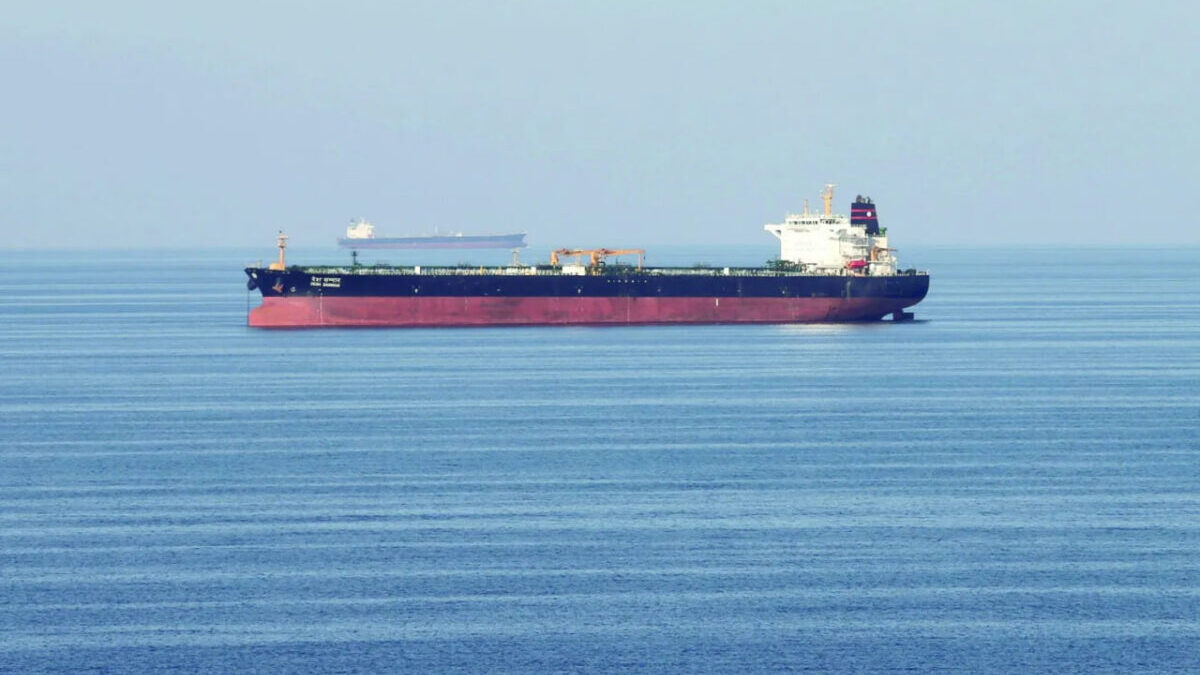
Moody's expects Kuwaiti real GDP to contract by more than 20% in 2026, with crude production falling close to 50% as the Strait of Hormuz blockade restricts export routes. The fiscal deficit is projected to balloon to around 21% of GDP in fiscal year 2026/27. Hydrocarbons accounted for 45% of Kuwait's GDP and 84% of government revenue in 2025, leaving the country particularly exposed to shipping-route disruption.
The Path Back
Moody's base case assumes gradual shipping resumption through the third quarter of 2026 and full normalization by the first quarter of 2027. That timeline is more cautious than some market participants have priced in — and it underscores why the rating agency is willing to look through near-term GDP weakness to the medium-term recovery.
The Read-Across for Other GCC Sovereigns
The Kuwait decision lands alongside Moody's reaffirmation of Saudi Arabia at Aa3 (with non-oil private-sector growth projected at 4–5%) and Fitch's reaffirmation of the UAE at AA-. The pattern is consistent: rating agencies are treating the Gulf war-shock as a cyclical disruption, not a structural credit event. For Arab fixed-income investors, that distinction matters for how to position duration across the region.
Source: Arab News — May 24, 2026.